Traditional Chinese Medicine
Building Protective Qi with TCM
Everybody gets sick at some point in their life. For some, it’s just a quick weekend thing. For others, it can last for several days and even weeks. Why do some people always get sick whenever there is a bug going around and others don’t? It all comes down to immunity. People who have a stronger immune system, tend to be sick less often. Those with compromised or weak immune systems, seem to get sick at the drop of a hat. There are many things that can be done to strengthen the immune system though. And Traditional Chinese Medicine is probably one of the best and least invasive ways to boost the immune system, not just during the winter months, but all year long. continue reading
Five Ways to Increase White Blood Cell Count with TCM
Leukopenia is a term used when there are less than adequate white blood cells in the bloodstream. This condition may make those suffering from it susceptible to infections. Leukopenia is often seen in diseases such as AIDS, cancer and lupus, as well as in common occurrences like the flu or a cold. Leukopenia can also be medically induced, as is often the case for cancer patients undergoing chemotherapy and radiation. While there are several prescription medications available to battle this condition, most of them also have multiple adverse side effects. But there are alternative natural methods that can increase white blood cell count without the side effects. One of these is Traditional Chinese Medicine. continue reading
Ssshhhh: Organ Sound Vibration
Did you know shushing someone might actually may be beneficial to your health? There are six healing sounds known to Taoist qi gong practice that vibrate specific organs and promote emotional and physical well-being.
It has been shown sound vibrations promote healing and provide a type of massage to the organs. Six main organs that benefit from this sound vibration include the liver, heart, spleen, lungs, kidneys and triple burner. These are known as yin organs in Traditional Chinese Medicine and are associated with wood, fire, earth, metal and water. The key to vibrational healing is a relaxed attention to the organ to release stuck energy and emotion. It is not even necessary to voice the sounds; a whisper will do or even a mental rendition of the sound. There are many methods of qi gong practice for sound healing. You can explore more on YouTube or seek a qi gong teacher for more specific practice. continue reading
Fermented Foods and Intestinal Health
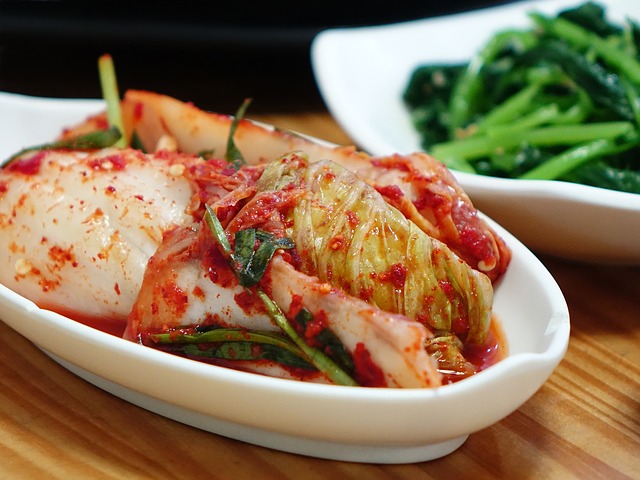 The modern world is changing every single day. Because of this constant state of change, our bodies are frequently having to adjust. We have a food supply being degraded and depleted of nutritional content, which in turn, causes our bodies to become depleted. Our soil and water is contaminated with antibiotics and deadly fertilizers. All of which become part of the food chain we rely upon. Because of this, antibiotics are failing and superbugs like MRSA are on the rise. Lack of nutrition and the overuse of antibiotics are just a couple of the things wreaking havoc on our intestinal health. But there are ways to combat this and keep the gut healthy. continue reading
Are Your Eyes Red or Inflamed?
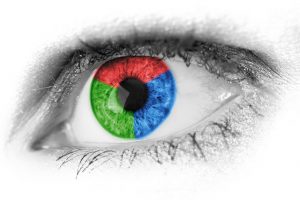 In the world of Traditional Chinese Medicine, the liver energy flows upward into the eyes. When this energy is flowing smoothly and working as it should, your vision is clear and sharp, you have efficient night vision and the eyes are bright and well-lubricated.
When out of balance, the liver can generate heat that rises upward. This heat can manifest in dry eyes, itchy eyes or eyes that are red and irritated. Think about how red one’s eyes can get after a night of drinking. Alcohol adds heat to the liver, which in turn rises upward and creates hot, red eyes. The facial flushing you see after a night of imbibing is also indicative of this heat. continue reading


