Acupuncture
Acupuncture for Addiction
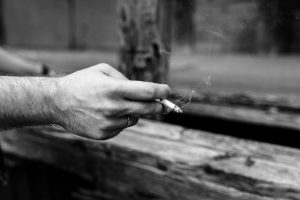 Addiction is defined as the compulsive physiological need for and use of a habit-forming substance, which means addiction can come in a lot of different forms. People can be addicted to illicit drugs like heroin just as easily as they can be addicted to sugar. But for the purpose of this article, let’s stick to illicit drugs and alcohol.
According to the Health Services Administration, 23.5 million people ages 12 or older have needed treatment for drug or alcohol addiction. And the treatments provided aren’t guaranteed, nor are they always easy. Luckily, there are alternative treatment options that can help. continue reading
Does Your Liver Need a Spring Tune-Up?
In Traditional Chinese Medicine, each season is ruled by a particular organ system and spring is connected to the liver. What does this mean? Well, you probably notice changes in the way you feel, both physically and mentally, as the seasons change. I know I tend to feel a bit more contemplative and introspective during the winter months. Once spring hits, I’m ready to recharge and get things done. The liver energy is strong and assertive, the type of energy you need to create plans and then propel them into motion. However, if your liver is a little out of balance, you might notice you are more irritable or on edge than usual. Here are a few signs that your liver is in need of an acupuncture tune-up: continue reading
Patterns of Discrimination for Colon Cancer
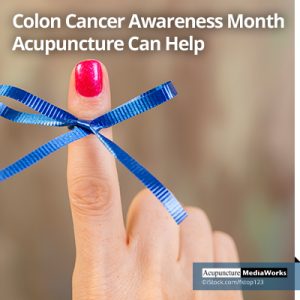 Colon cancer is the third most commonly diagnosed cancer in the United States. The American Cancer Society estimates 136,000 people will be diagnosed with colon cancer in 201
7 and nearly 50,000 of those will actually die from the disease. At least half of the people who develop colon cancer have some sort of existing risk factor. The other half may get colon cancer due to unfavorable diet, lifestyle or habits.
Regardless of the reason, Western medicine typically treats each case the same way. Surgery is the first line of defense, followed by chemotherapy and radiation therapy. All of these tactics can be quite risky and have a multitude of adverse side effects.
Traditional Chinese Medicine treats each person on an individual basis. This means despite the Western medical diagnosis, the patient will receive special individualized care. TCM also differentiates the various causes of colon cancer based on the underlying contributing factors that have created the disease. There are at least four possible different patterns of discrimination for colon cancer in the Chinese medicine world. Each pattern is associated with a specific energetic meridian and organ system, as well as some sort of causative factor, such as damp heat.
The first possible pattern involves the large intestine pathway being invaded by damp heat. With this pattern, the patient may have diarrhea, mucus or blood in the stools; foul smelling stools, a burning anus, fever, sweating, heaviness of the limbs and thirst without a desire to drink. This can be caused by ingesting too many hot and greasy foods, accompanied by excessive worry and anxiety over a long period of time. The treatment would involve clearing the heat and draining the dampness. The patient would also need to make some lifestyle changes.
The next possible pattern involves the spleen energetic pathway. The spleen system does not like cold. Thus, when the system is invaded by constant cooling, the yang or fire becomes depleted. The pattern is known as spleen yang deficiency. Symptoms of spleen yang deficiency include lack of appetite, abdominal distention after eating, fatigue, loose stools with undigested food, cold limbs, chilliness and edema. The treatment would involve warming and boosting the spleen yang.
The third possible pattern involves the kidney system. As with the spleen, when the kidney system is exposed to excessive cold conditions or the yin (water) is excessive, the yang of the kidney system can be depleted. The symptoms of kidney yang deficiency include chills, aversion to cold, cold limbs, apathy, lethargy, weak or cold knees and soreness in the lumbar region. The treatment would involve warming and boosting the kidney yang energy.
The last possible pattern also involves the kidney system, but this time it is the opposite of the aforementioned pattern. Kidney yin deficiency occurs when there is too much fire and not enough water, which creates excess heat. Symptoms of this pattern include hot palms, night sweats, constipation, thirst, sore knees and dark urine. The treatment would involve cooling and sedating the kidney yang, while boosting the kidney yin energy.
No matter what the pattern, acupuncture and TCM can help, provided the diagnosis takes place early. This is why acupuncture should be used in a preventive fashion.
Main Symptoms as They Relate to Colon Cancer Patterns
There are five different diagnostic patterns associated with colon cancer. Each separate diagnostic pattern has its own set of symptoms linked to it. Read below to figure out which main symptoms relate to certain colon cancer diagnostic patterns.
Large Intestine Damp Heat
Abdominal pain, diarrhea, mucus and blood in the stool and heavy sensation in the body and limbs are all signs of Large Intestine Damp Heat.
Spleen Yang Deficiency
Cold limbs, tiredness, pale complexion, weakness of the limbs and loss of appetite are all signs of Spleen Yang Deficiency.
Kidney Yang Deficiency
Spiritual fatigue, declining libido, difficulty in urination, enuresis and general edema are all signs of Kidney Yang Deficiency.
Kidney Yin Deficiency
Afternoon or evening sweats, dry mouth, achy lower back, tinnitus and aching bones are all signs of Kidney Yin Deficiency.
Liver Yin Deficiency
Blurred vision, numbness, brittle nails, vertigo and flank pain are all signs of Liver Yin Deficiency.
All About Moxibustion
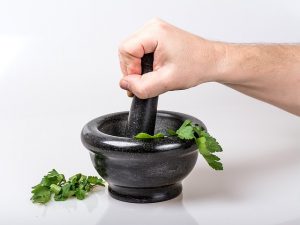 Traditional Chinese Medicine is a medical system that incorporates numerous methods for treating disease and illness. One of the tools found in the toolbox of the TCM practitioner is known as moxibustion.
Moxibustion is a technique that involves the burning of mugwort, known as moxa, which is an herb that facilitates healing. The purpose of moxibustion is to stimulate the flow of Qi (pronounced “chee”), strengthen the blood and maintain general health. Qi is translated as life energy. There are two types of moxibustion, direct and indirect. Direct moxibustion uses moxa shaped into a small cone and is placed on top of an acupuncture point and burned. This type of moxibustion has two subcategories, scarring and non-scarring. Scarring moxa burns until it distinguishes on its own. This may lead to localized scarring and blisters. Non-scarring moxa allows for the moxa to be placed on the acupuncture point, lit, extinguished and removed before it burns the skin.
Non-scarring moxibustion creates a pleasant heating sensation that penetrates deeply into the skin, but does not create a scar or any pain. Indirect moxibustion is the more popular of the forms. In indirect moxibustion, a practitioner lights one end of a stick of moxa and holds it close to the acupuncture point for several minutes until the area turns red.
Moxibustion is used to help people with cold or stagnant conditions. Burning moxa is believed to expel cold and warm the energetic meridians, which creates the smooth flow of Qi and blood. Moxibustion also supports the yang energy, which strengthens and increases the original Qi. Moxibustion can be used to treat many conditions including back pain, muscle stiffness, headaches, tendonitis, arthritis, digestive disorders, anxiety, menstrual cramps, irregular periods and infertility. Moxibustion is not recommended for diabetic patients, since they have decreased sensitivity to pain and compromised circulation.
Moxibustion is very effectively used in patients that have a cold constitution. Many chronic conditions, even the ones that manifest as heat conditions, can have chronic cold as the underlying situation. A cold constitution is triggered or aggravated by over cooling the body systems. Because of technological advances, our bodies are exposed to cold at a much higher rate than in the past. Things like refrigeration, air-conditioning, iced beverages and even ice cream have created a society of people with cold constitutions. Also many pharmaceutical drugs including over-the-counter pain medications are known to decrease body temperature. Large consumption of fruits and raw vegetables and ongoing mental and emotional stress can also create cold constitutions. Therefore using moxibustion is frequently warranted in the treatment of many illnesses and diseases.
Moxibustion on the acupuncture point Stomach 36 also has the function of preventing diseases and maintaining health. In ancient China, this technique was known as reverse moxibustion. Even if a person is quite healthy, regular moxibustion on this point can invigorate healthy Qi and strengthen the immune system, thus increasing longevity. Perhaps this is why the point has been nicknamed the “longevity point”.
As with acupuncture, only a licensed practitioner should be called upon for treatments such as moxibustion. If you believe that moxibustion may be helpful with your medical conditions, be sure to discuss it with your acupuncturist.
Acupuncture and Colon Cancer
 Colon cancer is the third most common cancer in the United States with about 60,000 deaths from it every year. Like all cancer, treatment can be long, uncomfortable and come with many side effects. Those getting chemotherapy may experience nausea, vomiting, postoperative pain, cancer related pain, insomnia and anxiety. The chronic pain can significantly impact quality of life. Most patients are prescribed medications such as opioids for pain that have side effects and are highly addictive. continue reading


