Acupuncture
The Bladder in Chinese Medicine
In Traditional Chinese Medicine, the bladder is one of the six yang organs, paired with one of the six yin organs. The yin organs store vital substances (such as Qi, blood, yin, and yang), whereas the yang organs are more active and have a function of constantly filling and emptying. The bladder is a perfect example of a yang organ. Its main physiological function is to remove water from the body in the form of urine. To do this, the bladder uses Qi (energy) and heat from its paired yin organ, the kidneys. continue reading
Positive Side Effects of Acupuncture
During an initial session of acupuncture, most practitioners began with an extensive health intake that goes over all of the systems in the body. We use this to determine certain patterns of imbalance, allowing us to treat the root cause of issues. This is one way we differ from Western medicine. continue reading
Acupuncture and Alcohol Detoxification
 Alcoholism affects nearly 16 million adults in the United States, yet only approximately 1.5 million Americans actually seek and get help to deal with their addiction. According to the National Center for Statistics and Analysis, nearly 88,000 people die from alcohol-related deaths every year, which makes alcohol the fourth leading preventable cause of death in the United States. After all the research that has been done on alcohol, people in the United States are still dying from something completely legal. And ultimately, we are paying for it, not just with our lives, but also with our tax dollars. continue reading
Acupuncture and Cervical Health
Women’s health is a big part of the healthcare industry. And acupuncture can be very beneficial in caring for the overall health of women. Acupuncture has been especially effective in helping with things like infertility, turning breech babies, inducing labor and clearing up infections. The cervix is just one small part of the uterus. Specifically it is the lower part of the uterus that opens to allow passage between the uterus and the vagina. The cervix widens during childbirth to allow the baby to pass, it also allows the passage of menstrual fluids from the uterus out of the body and it is vital for sperm to pass through the cervix to reach the uterus when trying to procreate.
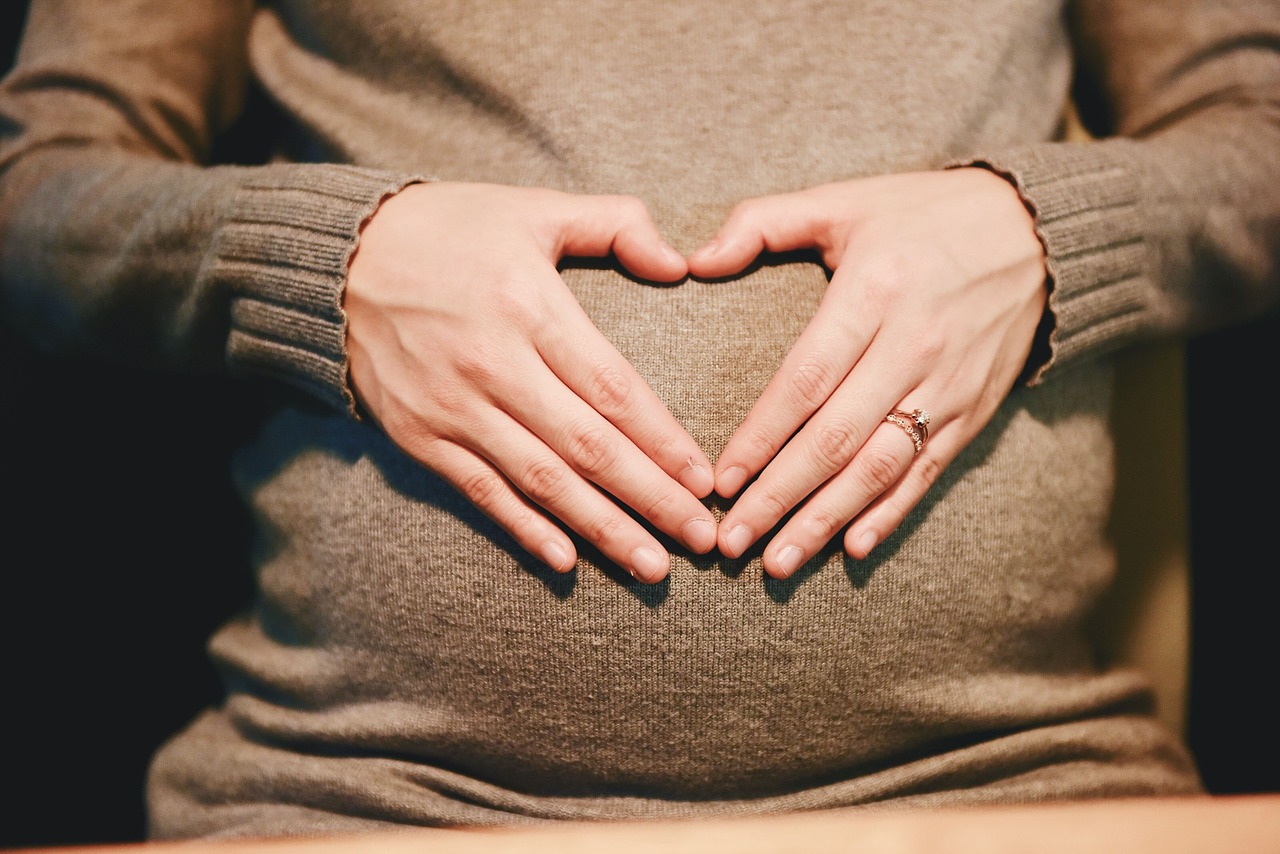
The cervix is very vulnerable to several health conditions, such as chronic inflammation, polyps, dysplasia and even cancer. Cervical conditions rarely present symptoms in the early stages, which makes it extremely important for women to get regular pap smears. If an abnormality is detected, there are several ways to address it, depending on the severity. In the early stages of any of the aforementioned conditions, acupuncture can be a positive addition to Western medical treatments. Acupuncture is very good at decreasing inflammation and helping to dissolve polyps and tumors. Acupuncture can also balance hormones, which allows the body to correct any imbalances.
One of the most studied areas of acupuncture is in treating fertility issues. When invitro fertilization by itself does not get the job done, adding acupuncture may be the last piece of the puzzle. Acupuncture does much more than just balance the hormones. When a woman is trying to get pregnant and struggling with it due to fertility issues, the stress levels are extremely high. And high stress levels have been proven to disrupt the body’s ability to conceive. One of the things that acupuncture is really successful at is decreasing stress levels. This can make it easier for the fertility treatments to work. Acupuncture has also been shown to increase blood flow to areas of the body, including the uterus. This can help to make a very hospitable place for a baby to grow.
Acupuncture and traditional Chinese medicine are also widely used for treating infections and sexually transmitted diseases. In traditional Chinese medicine, most infections have some sort of heat or discharge associated with them. This medicine uses principles, herbs and acupressure points that have specific properties that can drain heat and expel toxins from the body. This can lead to an overall improvement in both uterine and cervical health.
Another area where acupuncture can help with cervical health is at the time of birth. About four percent of babies are presented in the breech position prior to birth. An accessory modality known as moxibustion, has proven time and time again, that it can actually turn the baby to the proper birthing position. Moxibustion involves the burning of an herb, dried mugwort, very near the skin on a specific acupressure point that is located on the outer edge of the pinky toe. By performing moxibustion several times a day, the baby and the body somehow know that there needs to be a repositioning and the baby tends to turn during the night.
When it comes to women’s health, acupuncture is an amazing resource. Contact us to schedule your appointment today.
IBS: Relief with Traditional Chinese Medicine
 Irritable Bowel Syndrome, otherwise known as “spastic colon,” is a common disorder that affects the colon and causes many disruptive symptoms. Many of these symptoms can be managed with a simple change in diet and lifestyle. Chinese herbal medicine and acupuncture may be able to help. continue reading


