Acupuncture
Acupuncture and colon cancer
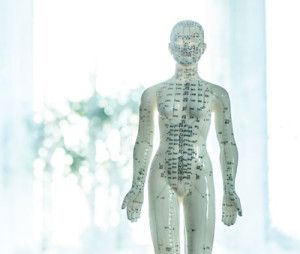 Colon cancer is the third most common cancer in the United States with about 60,000 deaths from it every year. Like all cancer, treatment can be long, uncomfortable and come with many side effects. Those getting chemotherapy may experience nausea, vomiting, postoperative pain, cancer related pain, insomnia and anxiety. The chronic pain can significantly impact quality of life. Most patients are prescribed medications such as opioids for pain that have side effects and are highly addictive. continue reading
Ways for a healthy brain
The second week of March is Brain Awareness Week. This is a perfect time to explore ways to keep your noggin working and healthy. Below are easy, simple ways to keep your brain in good shape.
A healthy diet is a healthy mind
There are many reasons to keep a healthy lifestyle and feed your body with foods that make you feel and perform your best. Diets that are low in saturated fats and cholesterol and higher in omega-3 fatty acids have been shown to promote brain health and protect brain cells. Taking a fish oil supplement with DHA or eating fish such as salmon can help improve brain development at any age. DHA, a type of omega-3, may also help prevent certain neurological disorders. Vitamin E and lutein can also help brain health. Incorporate leafy greens such as spinach and kale into your lunch or dinners. continue reading
Heart Healthy Tips to Reduce Stress
In this fast-paced world we find it’s pretty hard to slow down. Everyday stressors are the norm and although some stress is good, too much can hurt the body not only mentally but physically as well. Work, family, finances and everything in between can start to take a toll on your health. Below are tips that not only help to reduce stress but are good for heart health as well.
Exercise
Not only is exercise a good way to relieve stress, but is great for strengthening the heart as well. Try getting some sort of physical activity for at least 30 minutes a day. Focus on activities that get your heart pumping. Exercise will reduce your stress and improve your overall health short term and long term. continue reading
5 Tips to Help Your Diabetes
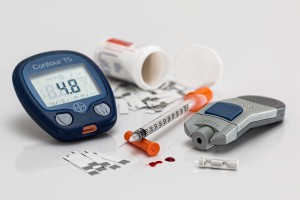 There are about 29 million people in the United States who suffer from type 2 diabetes, an illness that is becoming increasingly common and is also highly preventable. With lifestyle changes, diabetes can be managed and prevented.
Aim for a healthy weight
When you have extra weight, this can cause an increase in blood sugar. Maintaining a healthy weight can keep your blood sugar at more normal levels and better overall health.
Exercise
Exercise is very important when it comes to managing or preventing type 2 diabetes. Regular exercise can help lower weight, lower stress levels, blood pressure, cholesterol and triglyceride. Even just by adding in walks into your day can make a difference. Aim for 30 minutes of aerobic exercise at least four times a week. continue reading
7 Steps to Eliminate Depression Naturally
Suffering from depression can make you feel hopeless, frustrated and like your quality of life will never get better. Many feel that prescription medications don’t help, and simply mask the problem instead of helping solve it. If you are dealing with depression, it is easy to get discouraged about your treatment options. Below are ways that you can naturally reduce your depression and get you back on a road to a healthier mind and body.
continue reading


