Acupuncture
Alternative Treatment for IBS
 Irritable Bowel Syndrome (IBS) is a common disease suffered by an estimated 25-45 million people in the United States. Symptoms include chronic abdominal pain, bloating, excess gas and irregular bowel movements. Symptoms can be brought on by a number of triggers including anxiety, insomnia and stress. Although there is no known cure to IBS, there are numerous alternative treatments to prescription medication that can help relieve symptoms. continue reading
Alternative Treatments for Fertility
 About 10 percent of couples struggle with infertility and an inability to conceive, according to the Centers for Disease Control. For those struggling to have children, fertility treatment can become tiring and expensive very quickly. There are numerous alternative treatments including Traditional Chinese Medicine (TCM) that have been thought to improve fertility. continue reading
The 7 Secrets You Never Knew About Acupuncture
 There’s a certain level of mysticism surrounding the ancient holistic practice of acupuncture. Those who haven’t tried it may view it as some sham practice with no real value or benefit. On the other hand, those who have tried are fully aware of its powerful effects on the human body.
#1) There Are Hundreds of Acupuncture Points Throughout The Body
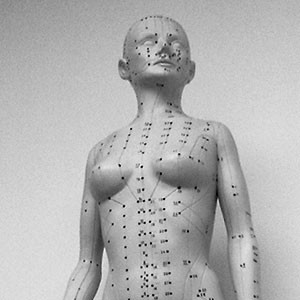
Acupuncture is typically performed on specific points throughout the body, including points both along the meridian and outside the meridian. The number of acupuncture points continues to change on a regular basis, but the latest estimate is around 695 (not including ear treatments). continue reading
Spring and Traditional Chinese Medicine
With the official start of spring just days away, there’s no better time than now to consider using popular forms of Traditional Chinese Medicine (TCM). As mother nature comes out of its state of dormancy, flowers will begin to blossom, trees will develop leaves, and the snow-capped landscape will be replaced with flowing green grass. This massive change comes with some unwelcome side effects than TCM may prove useful in treating.
While cold and flu infection rates typically diminish by the start of spring, a new problem begins to emerge: allergies. According to the American College of Allergy, Asthma and Immunology (ACAAI), approximately 50 million people in the United States suffer from seasonal allergies (source). When exposed to pollen or other plant allergens, the individual may develop a runny nose, nasal congestion, eye redness, headache, sore throat, and other related symptoms.
Whether you suffer from mild, moderate or severe seasonal allergies, however, acupuncture can help. This centuries-old TCM involves the placement of fine needles on specific areas throughout the body. Acupuncture is believed to restore the body’s flow of energy (referred to as Qi) while stimulating the body’s self-healing mechanism.
In Chinese astrology, spring falls under the Wood element, meaning this time of year is closely related to the gallbladder and liver. According to TCM, one of the liver’s primary functions is to regulate Qi through the body. If Qi is blocked or restricted in any way, the individual will be susceptible to disease and illness. The bottom line is that you want to keep your Qi moving this spring season for optimal health.
Here are some tips to keep your Qi moving:
- Limit (or eliminate) your intake of processed foods.
- Eat more fresh vegetables and fruit.
- Start your mornings off with a light stretching exercise like yoga or tai qi.
- The warm weather offers the perfect opportunity to get outdoors and exercise.
- Consume sour food and drinks. According to TCM, sour flavors stimulate the liver’s Qi.
- Seek acupuncture treatments.
There are over 2,000 acupuncture points spread across 20 meridians, but none hold as much weight for the spring season as the Liver 3. Located between the first and second toes, the Liver 3 (also known as the ‘springtime acupressure point’) is an acupuncture point that’s particularly beneficial for this time of year. It lives up to its namesake by channeling energy between the liver; therefore, conventional wisdom should tell you to focus on it during this spring. If you plan on scheduling on an acupuncture session, ask the physician if he or she can target the Liver 3.
Give me a call today to learn how you can get back on track to better health!
Ways To Ring In The Chinese New Year
 Cleaning
Part of celebrating the Chinese New Year (February 19) involves cleaning. Traditionally, homes are cleaned before the New Year, but sweeping and dusting isn’t done until the third day after New Year out of fear that good fortune will be swept away. The floors can be swept, starting by brushing the dust and dirt towards the middle of the house or building. Once the debris is piled into the center, it’s moved to the corners where it remains until the fifth day, at which point it can be thrown out. continue reading


